2027 Global Tuna Market Forecast: Supply Tightens While Automation Drives the Next Wave of Growth
The global tuna industry is entering a new phase of transformation. International tuna trade stayed relatively stable in 2025, but in 2026 weaker catches, higher fuel costs and supply chain disruptions drove raw material prices significantly higher.
Although import volumes softened, consumer demand for processed tuna products remained resilient, particularly in convenient, ready-to-eat formats. Industry data indicates that global tuna trade reached approximately 4.23 million metric tons, valued at nearly USD 18.8 billion, highlighting the continued importance of tuna as one of the world’s leading seafood commodities (MarketWatch).
A market moving beyond commodity products
One of the most significant trends reshaping the industry is the transition from commodity seafood to value-added products.
Imports of whole frozen tuna declined during 2025, while demand increased for frozen tuna fillets, cooked loins, and prepared tuna products. This shift reflects changing consumer preferences toward convenient, premium-quality seafood that is easy to prepare and has a long shelf life.
Retailers are expanding product offerings such as:
- Tuna cups
- Ready-to-eat tuna meals
- Protein snack packs
- Premium canned tuna
- Multi-pack retail formats
For processors, these products offer higher margins and greater opportunities for product differentiation than traditional commodity exports.
Southeast Asia continues to lead processing
Thailand remains the world’s largest tuna processing and canning hub, followed by major processors in Vietnam and the Philippines. While imports of whole frozen tuna have declined, many manufacturers are increasing purchases of cooked tuna loins and other semi-processed ingredients to improve production efficiency and reduce labor-intensive operations.
This evolution reflects a broader industry trend: processors are no longer competing on production volume alone. Success increasingly depends on efficiency, automation, food safety, and the ability to launch innovative retail products quickly.
Raw material costs will continue to challenge processors
Frozen skipjack prices increased sharply during 2026 following weaker catches in the Pacific Ocean. Combined with higher fuel prices and ongoing shipping uncertainties, processors continue to face elevated operating costs.
Looking ahead to 2027, several factors are expected to keep market conditions tight:
- Limited raw material supply
- Higher transportation costs
- Rising energy prices
- Continued pressure on global logistics
- Increasing operating expenses throughout seafood processing
Companies that improve production efficiency will be better positioned to protect margins during periods of raw material volatility.
Automation is becoming a strategic investment
Rising labor costs and stricter food safety requirements are accelerating investment in automated processing and packaging systems.
Modern tuna factories are increasingly adopting:
- Automated filling systems
- Precision sealing equipment
- AI-powered vision inspection
- Automatic reject systems
- Robotic cartoning and palletizing
- Digital production monitoring
These technologies improve product consistency, reduce labor dependency, enhance traceability, and help manufacturers meet increasingly demanding retailer and regulatory requirements.
Automation is no longer viewed simply as a cost-saving measure—it is becoming a strategic investment for long-term competitiveness.
How TunaPak supports the next generation of tuna processing
As processors expand into value-added seafood products, packaging flexibility has become just as important as production capacity.
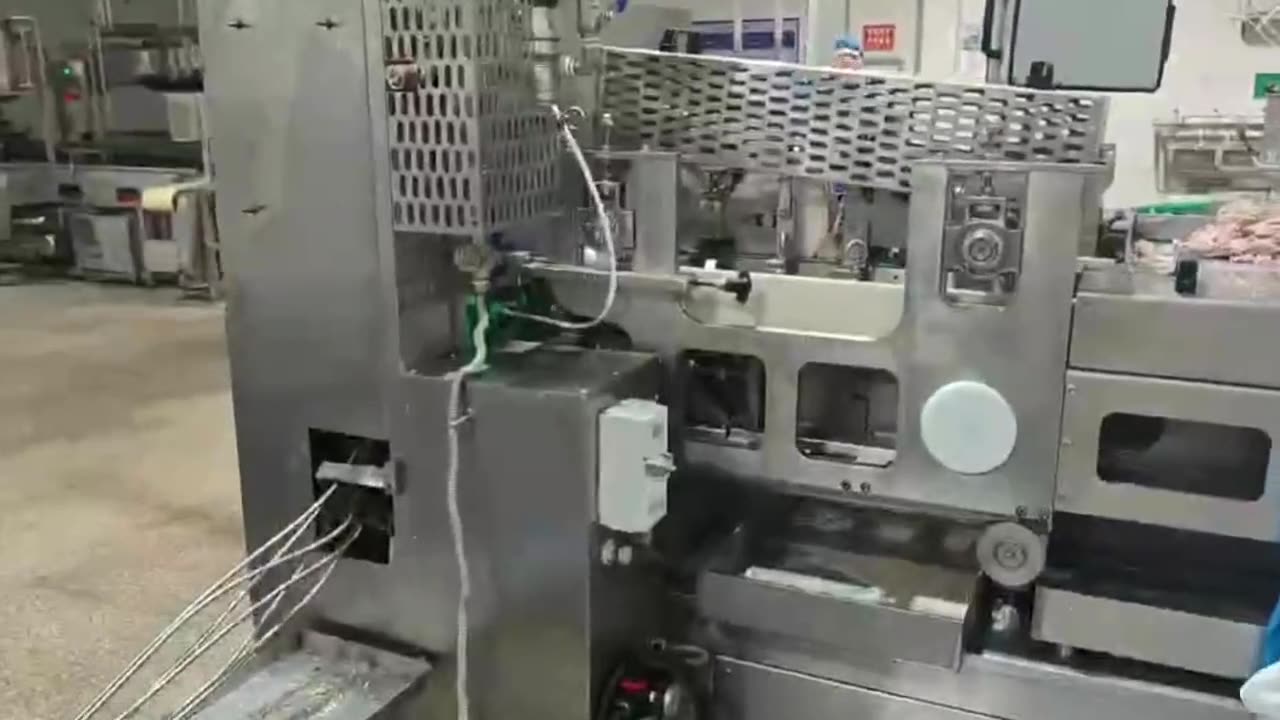
TunaPak™, developed by Lion Packing Systems, is designed to support modern tuna processors with an integrated packaging platform that combines multiple production stages into one efficient system.
A typical TunaPak™ solution can include:
- Cup, tray, or bowl denesting
- Accurate tuna filling
- Oil or sauce dosing
- Heat sealing
- AI-powered seal inspection
- Checkweighing
- Date coding and labeling
- Sleeve wrapping for retail multipacks
- Cartoning
- Robotic palletizing
Its modular design allows processors to introduce new package formats, increase production capacity, and improve operational efficiency without replacing an entire production line.
Looking ahead to 2027
Despite continued pressure from raw material costs, the long-term outlook for the global tuna industry remains positive.
Demand for convenient, nutritious, shelf-stable seafood products is expected to remain strong across retail, foodservice, and private-label markets. At the same time, processors are expected to continue investing in automation, digital quality control, and flexible packaging systems to improve productivity and strengthen competitiveness.
The companies best positioned for success in 2027 will be those that can combine efficient manufacturing with innovative product development and reliable food safety systems.
Planning a value-added tuna line?
Tell us your package format and target capacity, and we will propose a TunaPak layout.
About TunaPak™ Industry Insights
TunaPak™ Industry Insights is an educational series from Lion Packing Systems exploring global seafood markets, processing technology, automation, packaging innovation, and manufacturing best practices. Our goal is to provide practical insights that help seafood processors make informed investment decisions while preparing for the future of food manufacturing.
Next in the series: Why Leading Tuna Processors Are Investing in Automation.